Creating Biodiverse Gardens: Designing for Beauty and Wildlife May 22, 2026
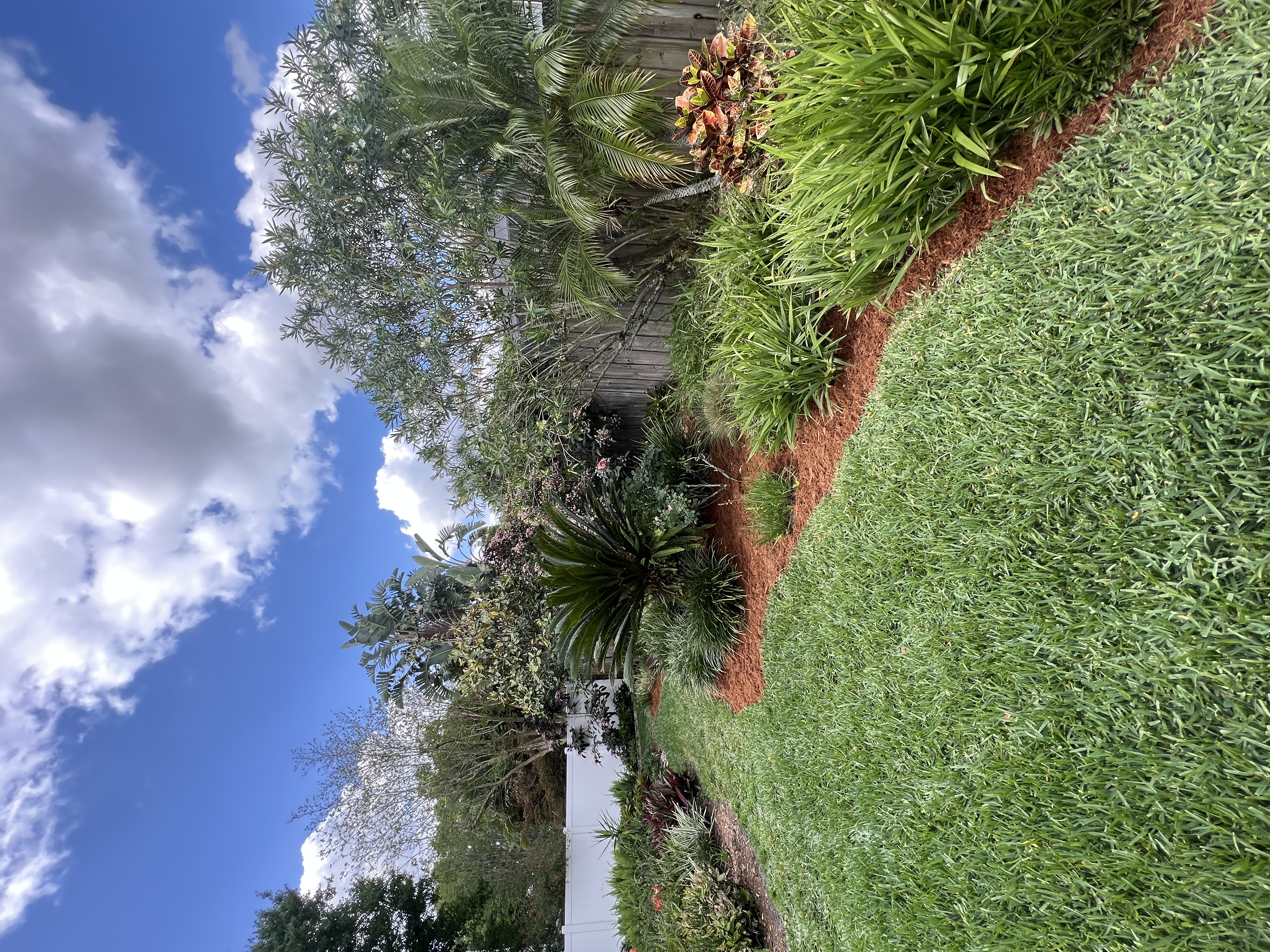
Creating a biodiverse garden involves intentional planning and selecting a mix of plant species that thrive in various conditions. Begin by evaluating your garden’s environment. Consider factors like soil quality, sunlight exposure, and local climate. Once you have a solid understanding of your garden's parameters, you can select native plants that naturally flourish in your area. Native plants are a cornerstone of biodiversity; they require less maintenance and attract native wildlife such as birds, bees, and butterflies.
Incorporating a variety of plant types and structures is key. Include a balance of trees, shrubs, and perennial flowers to create different layers within your garden. This diversity not only enhances the aesthetic appeal but also replicates natural habitats, providing food and shelter for various species. When choosing plants, think beyond just visual impact; consider their ecological benefits. For instance, milkweed is not only attractive but essential for monarch butterflies.
Water features, such as small ponds or bird baths, are excellent additions to a biodiverse garden. They not only offer visual appeal but also provide water sources for wildlife. If space is a concern, even a simple water dish can make a significant difference. Ensure that your water features have gentle sloping sides or stones to allow creatures easy access.
Consider creating a wildflower meadow, a low-maintenance option that supports a wide range of species. Wildflowers are particularly beneficial as they bloom at different times, providing continuous food sources for pollinators. Allowing parts of your garden to grow wild is another effective strategy. It may seem counterintuitive to let certain areas be a little unruly, but these spaces mimic natural environments and offer safe havens for wildlife.
Avoid using pesticides and herbicides, as these chemicals can harm beneficial insects and disrupt the delicate balance of a biodiverse garden. Instead, explore natural pest control methods, such as introducing ladybugs to handle aphid populations or planting garlic to deter pests naturally. Healthy ecosystems often regulate themselves, minimizing the need for chemical intervention.
As your garden evolves, take time to observe and learn about the wildlife it attracts. Document changes, noting which plants thrive and which species visit regularly. This observation will guide future gardening decisions and deepen your connection with nature.
In conclusion, a biodiverse garden is an exquisite blend of aesthetics and ecological function. By implementing these principles, you're not just designing a beautiful space but also contributing to the health of local ecosystems. At C4 Ground Control, we're here to support your journey toward creating gardens that celebrate both beauty and biodiversity. Together, let’s help transform your green space into a thriving sanctuary for plants, animals, and people alike.
/filters:no_upscale()/filters:format(webp)/media/5544a87d-648b-4ada-a6fb-1abb4b4f81c4.jpeg)