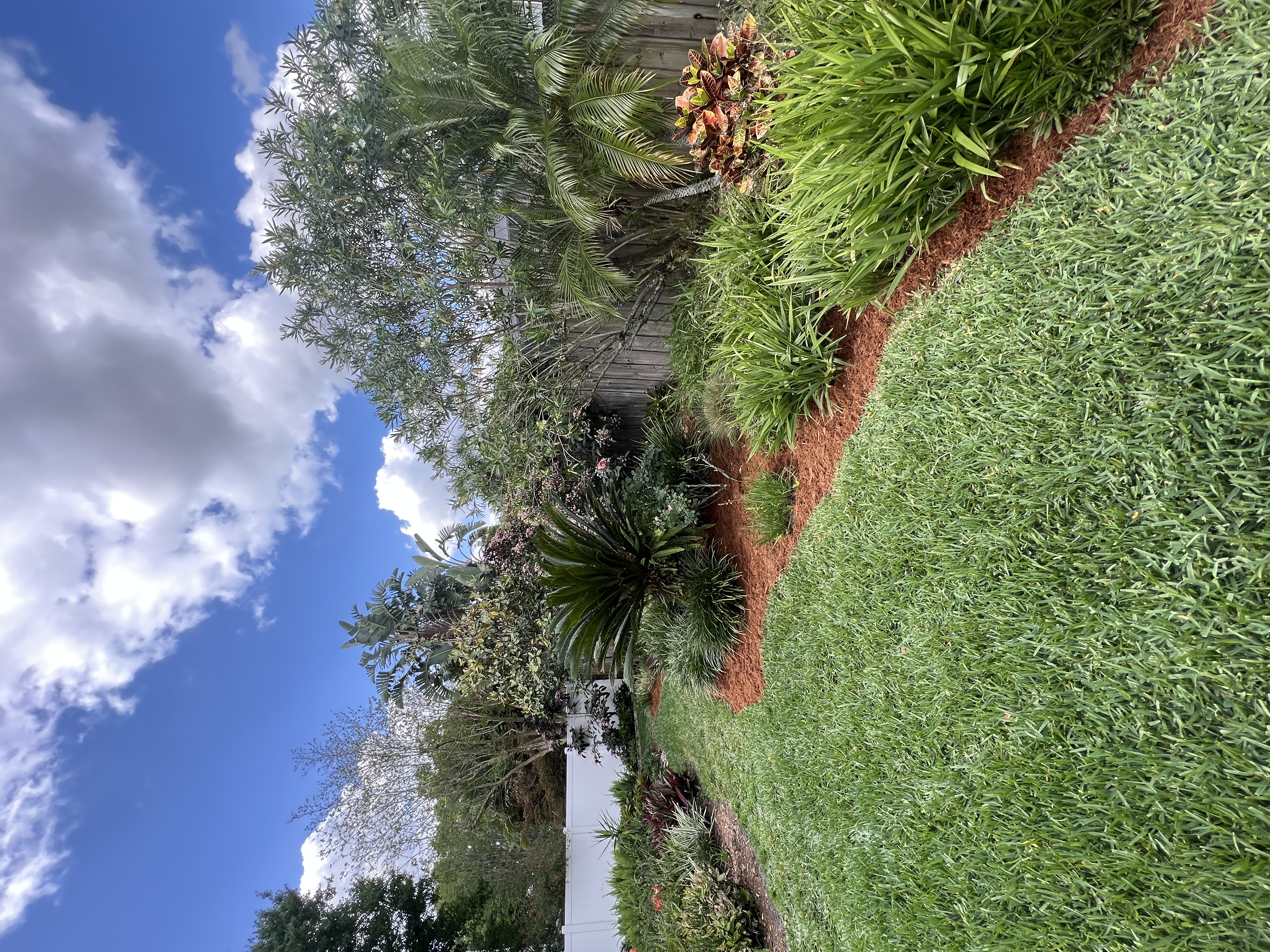
Designing Lush Landscapes: The Balance of Beauty and Biodiversity in Your Garden May 02, 2026
To start your journey in designing a lush landscape, consider the principle of biodiversity as foundational. A garden teeming with various plant species invites a multitude of insects, birds, and other wildlife, all of which contribute to a healthy ecosystem. Begin by selecting a diverse array of native plants, which are accustomed to local conditions and provide essential food and shelter to wildlife. Native plants are environmentally more sustainable and often require less maintenance, allowing for both beauty and practicality in your garden.
Equally important is understanding the ecosystem you are working within. Conduct a thorough site analysis to identify sun exposure, soil type, and water drainage patterns. These factors significantly influence which plants will thrive in your space. Incorporating plants with varying bloom times extends the visual appeal of your garden throughout the year while providing continuous resources for pollinators.
Another key element in balancing beauty with biodiversity is the integration of layers in your garden design. Think of your garden in vertical sections: ground cover, understory shrubs, midstory trees, and canopy. This layered approach mimics natural habitats and allows for rich plant diversity. It also adds visual intrigue and a sense of depth to your landscape, enticing both people and pollinators.
Ensuring your garden plays a positive role in the broader ecosystem means considering more than just plants. Hardscaping, or the use of non-plant elements like paths, walls, and seating areas, can define spaces while supporting ecological goals. Permeable materials in paths and patios enable rainwater to seep into the ground, reducing runoff and water waste. Additionally, features like rock piles or water gardens not only enhance aesthetic appeal but can also support native wildlife.
Water management is another critical aspect of sustainable landscape design. Smart irrigation systems that adjust based on weather conditions ensure efficient use of water, conserving this precious resource while maintaining plant health. Moreover, implementing rain gardens or swales can capture and recycle rainwater, creating a self-sustaining system that minimizes environmental impact.
Finally, embracing the balance of beauty and biodiversity means cultivating a living space that respects the interconnectedness of all its elements. Careful attention to maintaining soil health through composting and mulching will provide essential nutrients to plants and ensure long-lasting vibrance and resilience.
Concluding your landscape design journey with C4 Ground Control involves not just the creation of a visually stunning garden, but also one that fosters ecological harmony. By embracing diversity, respecting natural ecosystems, utilizing sustainable practices, and integrating thoughtful design elements, you create a garden that is both a sanctuary and a statement for sustainable living.
Designing a lush landscape where beauty meets biodiversity is more than attainable; it's a rewarding transformation you can achieve with deliberate choices and expert guidance. Let C4 Ground Control partner with you to create a garden that thrives naturally and joyously.
/filters:no_upscale()/filters:format(webp)/media/5544a87d-648b-4ada-a6fb-1abb4b4f81c4.jpeg)