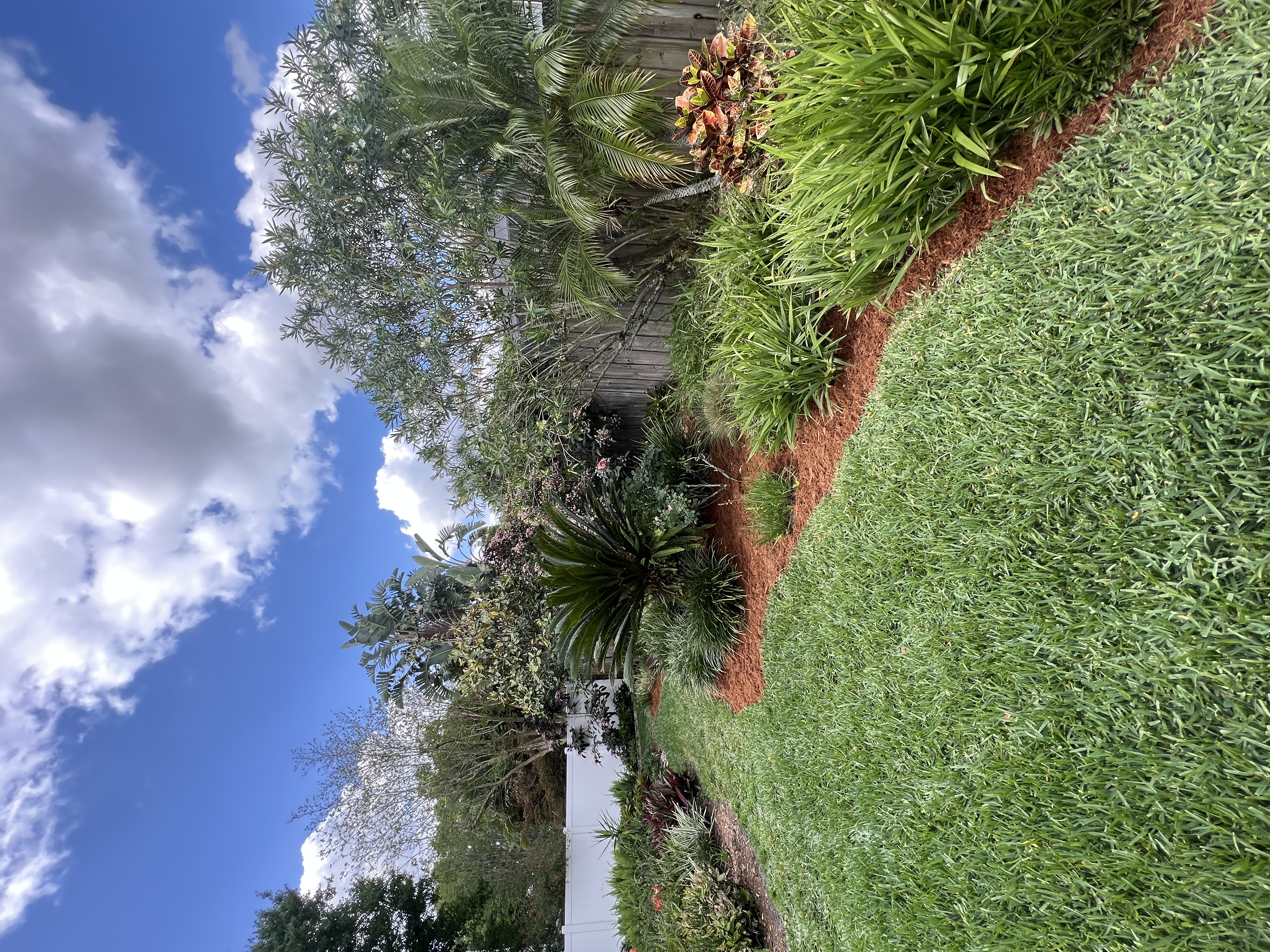
How to Incorporate Native Plants into Your Landscaping Design Jan 20, 2026
Understanding the benefits of native plants is the first step towards successful landscaping. Native plants are crucial for local wildlife, providing essential food and habitat. By including plants that are familiar to the local fauna, you can attract birds, butterflies, and other pollinators to your garden. Additionally, because these plants are well-adapted to local environmental conditions, they typically require less water and are more resistant to local pests and diseases. This means a reduction in the need for fertilizers and pesticides, which can further benefit the environment.
Before starting your native plant garden, research the types of plants native to your region. Your local extension office, botanical garden, or a specialized nursery can be excellent resources for finding information about what works best in your area. Some common native plants to consider might include perennial flowers, grasses, shrubs, and trees suited to the region's climate and soil.
Once you’ve identified the native plants that will fit your landscape, plan your design by considering factors like sun exposure, soil type, and water availability. Group plants with similar needs together to optimize growth conditions and make maintenance easier. For example, place sun-loving plants in areas that receive full sunlight while reserving shady spots for ferns and shade-tolerant ground covers. Creating a design that mimics natural plant groupings can result in a more aesthetically pleasing and cohesive landscape.
Another consideration is the seasonal interest that native plants can provide. By selecting a variety of plants that bloom at different times of the year, you can ensure that your garden offers color and interest all year round. While native grasses can provide structure and texture during the fall and winter, spring and summer can be accented with bursts of floral color.
Maintenance is an essential part of any landscaping project, and native plants usually offer the advantage of being lower maintenance than non-natives. Since these plants are adapted to your region, they generally need less watering and care once established. However, regular tasks like weeding, mulching, and occasional pruning will help keep your landscape looking its best. Observing your garden will also guide adjustments; if a particular plant isn't thriving, consider moving it to a different location or replacing it with another option.
Incorporating native plants into your landscaping design is not just a trend but a step towards creating a sustainable and resilient garden. At C4 Ground Control, we support creating a landscape that is beautiful and beneficial to the environment. By choosing native plants, you contribute to conserving local ecosystems and promoting biodiversity. The result is a landscape that is both livable for you and hospitable for local wildlife, truly enriching the space we all share.
/filters:no_upscale()/filters:format(webp)/media/5544a87d-648b-4ada-a6fb-1abb4b4f81c4.jpeg)