Practical Tips for Outdoor Safety: Lighting and Hardscape Design Solutions Jul 10, 2026
One of the most effective ways to ensure safety in your outdoor space is by investing in adequate lighting. Proper illumination not only deters potential intruders but also prevents accidents caused by inadequate vision. Start by evaluating the most frequented areas of your yard. Pathways, stairs, and entry points are critical areas that should be well-lit.
Low-voltage pathway lights offer a soft glow that subtly highlights walkways, reducing the risk of trips and falls. Solar-powered lights are an eco-friendly and cost-effective option for lighting pathways and driveways. For added security, consider motion sensor lights around entryways and darker corners of your property. These lights not only save energy but also provide an added layer of protection by alerting you to movement.
Choosing the right type of lights is essential, but placement plays an equally important role. Avoid placing lights too high, as they can cause glare and cast shadows, potentially creating more hazards than they solve. Instead, strategically position lights to provide balanced illumination. Downlighting, where fixtures are placed higher up and direct light downward, can be particularly effective around outdoor seating areas and gardens.
Hardscape design is another crucial aspect of a safe outdoor environment. When planning your hardscape layout, think about traffic flow and ease of movement. Wide, even pathways should be a priority, as narrow, uneven surfaces increase the risk of tripping. Non-slip materials such as textured stone or composite decking are excellent choices for walkways and patios.
Retaining walls and boundaries can also enhance safety by clearly defining spaces in your yard. When constructing these features, ensure they are durable and built to withstand natural elements. Incorporating built-in seating and steps with proper handrails can further enhance both functionality and safety.
Moreover, consider the transition from indoors to outdoors. The steps leading to your garden or patio should have consistent riser heights and tread depths. Adding a handrail can provide additional support, particularly for children and elderly family members.
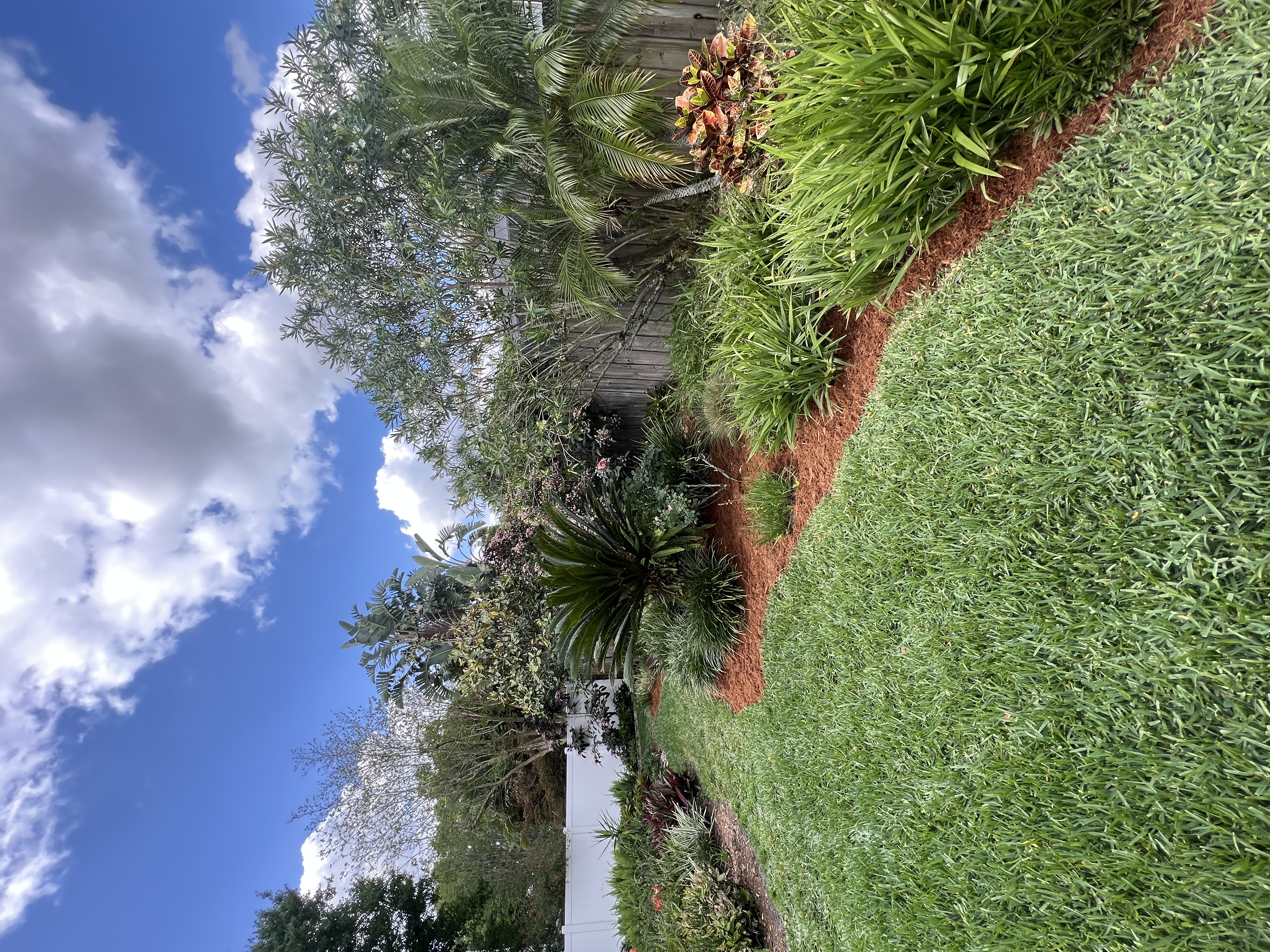
Including natural elements, such as plant beds or small hedges, alongside pathways can act as preventive measures, steering guests away from potential hazards. However, avoid planting large shrubs or trees too close to pathways, as roots can undermine hardscape stability.
In conclusion, outdoor safety is a multifaceted challenge that involves both lighting and hardscape design. By assessing your property’s needs and strategically planning your lighting and hardscape installations, you can create a safer, more accessible environment. Whether it’s through energy-efficient lighting solutions or durable, non-slip materials, each step you take contributes to the overall safety and appeal of your home’s exterior. At C4 Ground Control, we’re here to assist you in making informed decisions on your landscaping and hardscaping needs, ensuring both beauty and safety for your outdoor space.
/filters:no_upscale()/filters:format(webp)/media/5544a87d-648b-4ada-a6fb-1abb4b4f81c4.jpeg)