The Art of Sustainable Landscaping: Creating Eco-Friendly Outdoor Spaces Jan 09, 2026
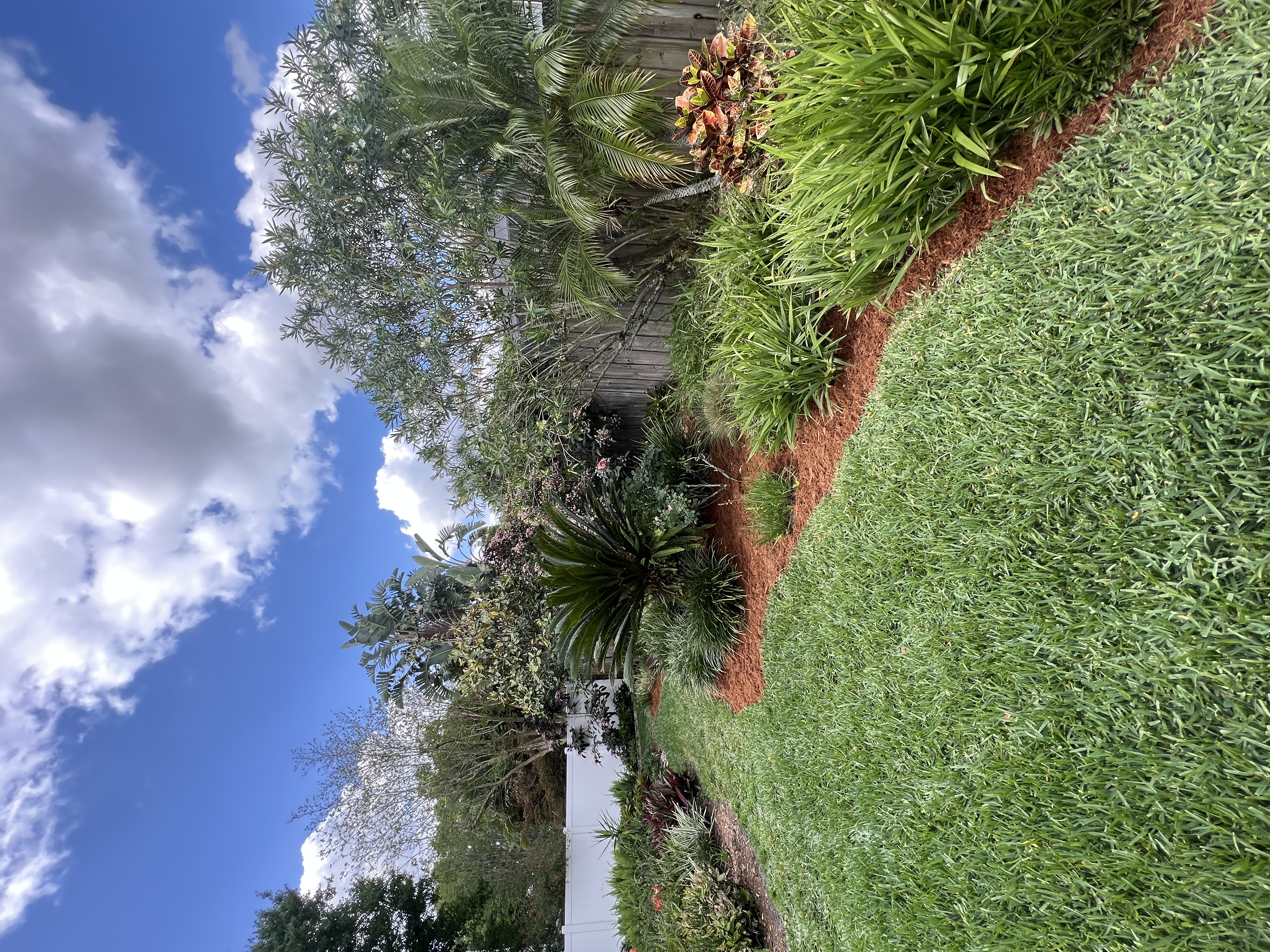
Sustainable landscaping is about working with nature to create a garden that sustains itself while minimizing environmental impact. It begins with a careful assessment of your property's natural characteristics, such as sunlight exposure, soil type, and native plant life. Rather than fighting the natural conditions, sustainable landscaping embraces them, leading to healthier, more resilient gardens.
One foundational principle of eco-friendly landscaping is the use of native plants. These plants, adapted to the local climate and soil conditions, require less water, fertilizer, and pesticides. They're also pivotal in supporting local wildlife, providing habitat and food sources for insects, birds, and other creatures. For residents of areas serviced by C4 Ground Control, selecting native flora not only ensures a thriving garden but also contributes to the larger ecological balance.
Another critical aspect of sustainable landscape design is water conservation. Installing rain gardens, which are shallow depressions planted with deep-rooted native plants, captures and filters rainwater runoff. These gardens reduce stormwater pollution and replenish the groundwater supply. Additionally, consider incorporating drought-resistant plants and implementing efficient irrigation systems, such as drip irrigation, which deliver water directly to the plant roots with minimal waste.
Soil health is integral to sustainable landscaping. Healthy soil improves plant resilience, reduces the need for chemical interventions, and enhances water retention. Composting organic waste and using natural mulch can significantly improve soil quality over time. The team at C4 Ground Control recommends reducing or eliminating chemical fertilizers and pesticides, opting instead for organic solutions that promote biodiversity and plant health.
Hardscaping—using materials such as stone, wood, and metal to create paths, patios, and walls—can also be designed sustainably. Consider materials sourced locally to reduce transportation emissions, and choose permeable surfaces for paths and driveways to minimize water runoff. Recycling and reusing materials from your property or nearby sources can contribute to a more eco-friendly landscape.
Energy efficiency is another crucial element. Incorporating solar-powered outdoor lighting reduces your carbon footprint and allows you to enjoy your garden well into the evening. In addition, strategically planting trees and shrubs can provide natural shade, reducing the need for air conditioning in adjacent buildings during hot summer months.
In conclusion, transitioning to sustainable landscaping involves a thoughtful, holistic approach that harmonizes with nature. By integrating native plants, conserving water, improving soil health, selecting sustainable hardscaping materials, and enhancing energy efficiency, you can create an outdoor space that not only looks beautiful but also supports the environment.
At C4 Ground Control, we are committed to helping you achieve your vision of an eco-friendly landscape. Our expert team is here to guide you through every step of the process, ensuring that your outdoor space is as sustainable as it is stunning. Embrace the art of sustainable landscaping with C4 Ground Control, and let's make a positive impact on our planet, one garden at a time.
/filters:no_upscale()/filters:format(webp)/media/5544a87d-648b-4ada-a6fb-1abb4b4f81c4.jpeg)